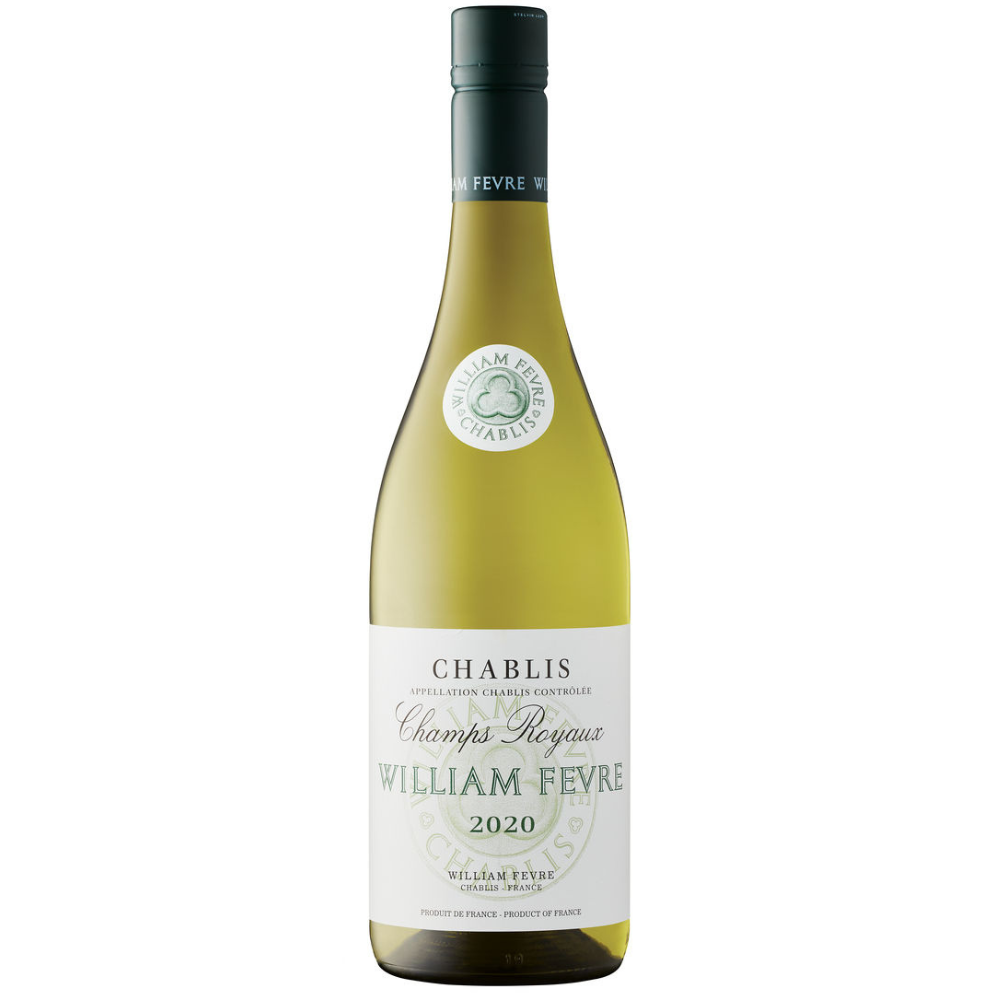
Summer Sips: Chablis, The White Wine Everyone Will Be Talking About
 3 min read


If you haven't reached for a bottle of Chablis lately, this might be the perfect summer to change that. Long appreciated by wine enthusiasts and sommeliers, Chablis is stepping into the spotlight as more wine lovers discover its fresh, mineral-driven style and incredible versatility at the table.
Forget heavy, buttery Chardonnay. Chablis offers something refreshingly different: crisp acidity, vibrant citrus, and a sense of place that is unmistakably French. Whether you're planning a backyard dinner, enjoying fresh seafood on the patio, or simply looking for a white wine that feels effortlessly elegant, Chablis deserves a place in your glass.
So... What Exactly Is Chablis?
One of the biggest misconceptions about Chablis is that it's a grape variety. In reality, Chablis is a wine region in northern Burgundy, France, and every bottle of Chablis is made from 100% Chardonnay.
What makes it so distinctive is where those grapes are grown. The region's cool climate allows the fruit to ripen slowly, preserving bright natural acidity and delicate fruit flavours. Beneath the vineyards lies ancient limestone and fossil-rich Kimmeridgian soil, once covered by a prehistoric sea millions of years ago. Many believe this unique soil contributes to the unmistakable mineral character that has made Chablis famous.
What Does Chablis Taste Like?
While every producer has their own style, most Chablis wines share a recognizable profile.
Expect aromas of lemon, green apple, pear, white flowers, and sometimes a hint of fresh herbs. On the palate, you'll often find flavours of citrus, crisp orchard fruit, wet stone, chalk, and subtle salinity.
Many wines are fermented in stainless steel to preserve their freshness, while some Premier Cru and Grand Cru bottlings see gentle oak aging that adds texture without overshadowing the wine's bright character.
The finish is typically long, clean, and refreshingly crisp, making it remarkably easy to enjoy another sip.
One of Chablis' greatest strengths is how effortlessly it pairs with food. Its lively acidity and mineral backbone complement a wide variety of dishes without overwhelming them.
Some classic pairings include:
- Fresh oysters and shellfish
- Grilled shrimp or scallops
- Sushi and sashimi
- Lemon herb chicken
- Goat cheese
- Soft triple-cream cheeses
- Grilled white fish
- Light pasta with seafood or fresh vegetables